

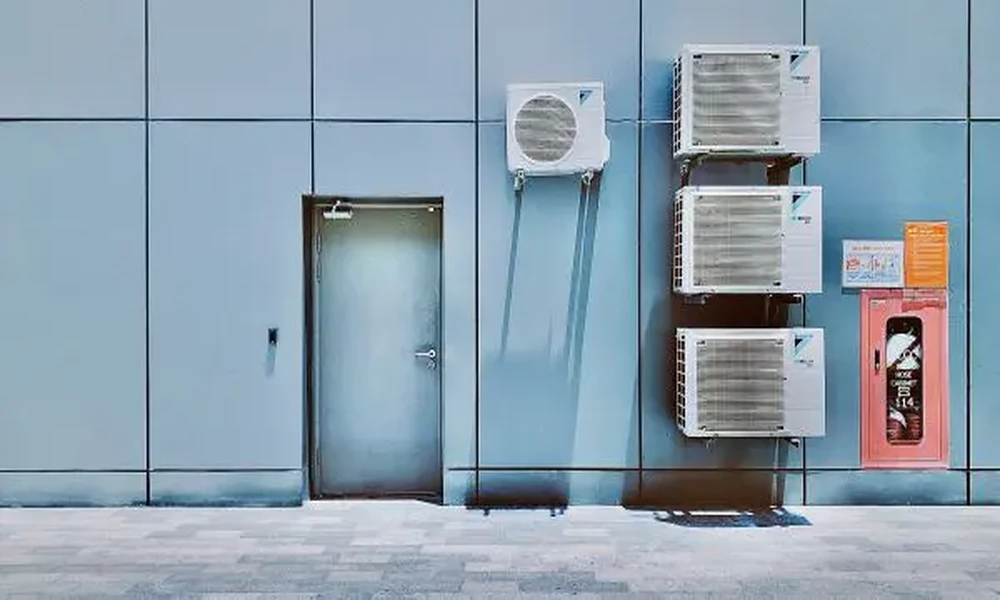
Every neighborhood has one person who has heard that heat pumps do not work when it gets cold. They heard it from a brother-in-law, a coworker, or a forum post from 2009, and they repeat it with total confidence. This article takes that doubter seriously. Instead of lecturing, it lets the skeptic ask their questions one at a time and answers each in plain language.
“Isn’t a heat pump just an air conditioner?”
Close, and that is the clever part. An air conditioner moves heat from inside your house to the outdoors. A heat pump is the same machine with a reversing valve, which lets it run the other way. In summer it cools you like any air conditioner. In winter it flips direction and collects heat from outdoor air to bring inside.
That raises the obvious objection, which is where most skepticism begins.
“How can it pull heat out of freezing air?”
Cold is only a relative idea. Air at 20 degrees Fahrenheit still contains heat energy, because heat does not vanish until you reach absolute zero, which is far colder than any winter on Earth. A heat pump uses refrigerant that boils at very low temperatures, so even chilly air is warm enough to make it evaporate, absorb energy, and carry it indoors, where the refrigerant is compressed and releases that heat into your home.
An everyday comparison is your refrigerator. It keeps the inside cold by pushing heat out the back, and the coils behind it feel warm. A heat pump is that principle pointed at your living room.
“But doesn’t it lose power as the temperature drops?”
Yes, and an honest answer admits it. Every heat pump delivers less heat as the outdoor temperature falls. This is the true kernel inside the old rumor. What changed is how much less, and how much it matters. Older designs struggled badly once temperatures dropped near freezing. Many modern cold climate models are built with variable speed compressors and improved refrigerant control specifically to keep delivering useful heat at far lower temperatures.
Performance ratings differ from model to model, so the right question is not whether heat pumps work in the cold, but how a specific unit performs at the lowest temperatures your area sees. A reputable contractor can show you published data for the exact equipment being proposed.
“What happens on the coldest night of the year?”
Many systems are installed with backup heat for those rare extremes. This might be electric resistance strips inside the air handler, or a gas furnace working alongside the heat pump in a dual fuel setup. The system decides on its own when the heat pump can handle the load and when to call for help.
Backup heat is generally less efficient than the heat pump itself, so a well designed system should lean on it only occasionally. If your future bills are going to be dominated by backup heat, the equipment was probably chosen or sized poorly.
“Why is there steam coming off the outdoor unit?”
Newcomers sometimes panic at this sight, and it is usually harmless. In cold, damp weather, frost can form on the outdoor coil because the unit is making that coil colder than the air around it. To keep it working, the system periodically runs a defrost cycle. It briefly reverses, warms the coil, and melts the frost, sending off a puff of vapor that looks like smoke. The indoor fan may pause during this time, and many units use a short burst of auxiliary heat to keep the house comfortable.
What is not normal is a unit buried in ice that never clears, which suggests a defrost control, sensor, or airflow problem worth a service call.
“Will it actually save me money?”
It depends, and anyone who says otherwise is selling something. A heat pump moves heat instead of creating it, which is why it can deliver more heating energy than the electricity it consumes. Compared with electric resistance heating, which converts each unit of electricity into roughly one unit of heat, a heat pump can be dramatically more efficient. Compared with a gas furnace, the answer swings with local energy prices, climate, the home’s insulation, and the efficiency of the equipment.
The U.S. Department of Energy offers a thorough overview of heat pump systems and how they work, including the different types and the climates they suit. It is a good neutral reference before you start asking for quotes.
“My house is old and drafty. Is a heat pump pointless?”
Not pointless, but the house matters enormously. Any heating system has to replace the heat your house leaks away. A leaky building with thin insulation asks more of the equipment and costs more to run, regardless of what is installed. Sealing air leaks and improving attic insulation can reduce the size of the system you need, and a smaller system generally costs less to buy and operate.
Ductwork matters too. Ducts that were designed for a gas furnace can sometimes be too small for the airflow a heat pump prefers, because heat pumps deliver gentler, lower temperature air for longer periods. If your ducts are leaky, undersized, or poorly insulated, it is worth addressing them at the same time.
“Don’t they feel colder than a furnace?”
This one has real truth in it, and it surprises people. A furnace blows air that may feel quite hot, often well above body temperature. A heat pump typically delivers air that is warm but noticeably cooler, perhaps in the range of body temperature or a bit above. Standing at a vent, it can feel like less, even though the system is doing its job and raising the house to the temperature on the thermostat.
The difference is in how the heat arrives. A heat pump tends to run longer at steady, moderate output, which often produces more even temperatures and fewer swings than a furnace cycling hard on and off. Most owners adapt quickly, but it helps to know about the sensation ahead of time so it does not feel like a defect.
“How long does one last, and what does it need?”
With proper installation and maintenance, a heat pump can serve a household for many years. Because it works in both seasons, it accumulates more running hours than a system that only handles one, so maintenance matters. Filters need regular changes, the outdoor unit needs clearance from leaves, snow, and debris, and a technician should periodically check refrigerant charge, electrical connections, and the condition of the coils.
“How do I choose someone to install it?”
Installation quality shapes performance as much as the equipment itself. A properly sized unit, matched to a careful load calculation rather than a rule of thumb, is far more important than the brand on the cabinet. Ask any contractor how they will determine the size, what they will do about the ductwork, what backup heat is included, and what the warranty covers for both parts and labor.
If you are exploring options locally, George Daus Air Conditioning and Heating LLC is one company you could contact to discuss whether a heat pump suits your home. Whoever you talk to, ask them to explain their reasoning in plain terms. A contractor who can answer a skeptic’s questions patiently is usually one who understands the equipment well.
“So what is the honest verdict?”
Heat pumps are neither miracle devices nor a gimmick. They are a mature technology that works well when matched to the right climate, home, and installation, and poorly when oversold or poorly installed. The old line that they fail in the cold was true of earlier generations, but it is no longer a safe blanket statement. The useful question is specific: will this equipment, in this house, at the coldest temperatures we see, keep us comfortable at a cost we can live with?
The skeptic’s instinct to ask hard questions is the right one. Keep asking them, insist on real numbers, and let the answers decide.