

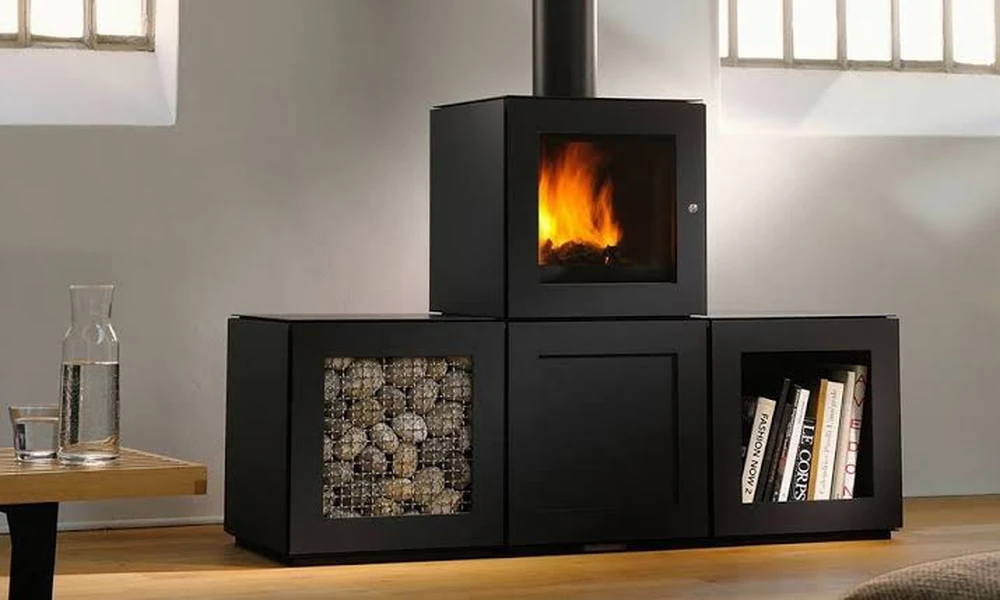
A freestanding stove, whether fueled by natural gas, propane, or wood, offers a quality of warmth and a visual character that central heating systems cannot replicate. The radiant heat of a best gas stove or a high efficiency wood stove warms the living space directly, creates a focal point that transforms the room aesthetically, and provides a degree of heating independence that is increasingly valued during power outages and utility disruptions. For homeowners evaluating gas stoves for sale or researching the best wood stoves on the market, understanding how the technologies compare, what determines heating efficiency, and what installation requirements apply helps narrow a broad field of options to the right stove for each home.
What is the difference between gas stoves and wood stoves?
Gas and wood stoves deliver the same experience of visible, radiant flame heat in a room but differ fundamentally in the fuel source, installation requirements, and day-to-day operation:
- Fuel supply: gas stoves connect to the home’s natural gas supply or to a propane tank, providing instant ignition, adjustable output, and the convenience of fuel that does not need to be purchased, stored, or carried inside. Wood stoves require a supply of seasoned firewood, which must be sourced, stored dry, and brought to the stove for each fire
- Convenience of operation: gas stoves for sale in the modern market typically offer thermostat control, remote ignition, and in many cases smart home integration that allows the stove to be started and adjusted without entering the room. Wood stoves require the physical process of laying, lighting, and managing a fire, which is part of the appeal for many users but a practical consideration for those seeking convenience
- Heat output characteristics: both fuel types produce excellent radiant heat, but wood stoves typically deliver higher peak output from a full firebox of seasoned hardwood than gas stoves at equivalent price points. The high efficiency wood stove category, which captures and radiates heat from gases that older wood stoves vented directly up the flue, has significantly narrowed this gap while dramatically reducing particulate emissions
- Installation requirements: both stove types require proper venting through a listed chimney system, but gas stoves can be vented through a direct vent system that draws combustion air from outside and exhausts directly through an exterior wall, eliminating the need for a full masonry or factory-built chimney in many installations. Wood stoves require a full chimney system capable of sustaining the draft that wood combustion requires
What should buyers look for in gas stoves for sale?
The best gas stove for any specific installation depends on the heating requirement of the space, the available fuel supply, and the aesthetic and operational preferences of the homeowner:
- BTU output: the stove’s heat output measured in British Thermal Units per hour must be matched to the volume of the space to be heated. An undersized stove will struggle to maintain comfortable temperature on the coldest days; an oversized stove will cycle on and off too frequently to operate efficiently
- Efficiency rating: the efficiency of a gas stove is expressed as the percentage of the fuel’s energy content that is delivered as heat to the space, with the remainder lost up the flue. Modern best gas stove models from leading manufacturers achieve efficiencies of 70 to 85 percent, significantly higher than older models
- Burner and flame quality: the visual quality of the flame, the realism of the log set, and the burner’s behavior across the full range of output settings are important aesthetic considerations for a stove that will be a prominent visual feature of the living space
- Venting compatibility: confirming that the stove’s venting requirements are compatible with the available installation option, whether a full chimney or direct vent, before purchase prevents costly installation complications
What are the best wood stoves and what makes a wood stove high efficiency?
Top rated wood stoves in the current market are distinguished from older designs by the EPA-certified emissions standards that all new wood stoves sold in the United States must meet. The 2020 EPA emission standards require that certified wood stoves emit no more than 2.0 grams of particulate matter per hour, a significant improvement from the pre-regulation era stoves that many older homes still contain.
Best stove wood burning efficiency comes from secondary combustion chambers that re-burn the gases produced by the primary combustion before they exit the firebox, extracting additional heat that would otherwise be lost up the chimney. The high efficiency wood stove category, which includes catalytic and non-catalytic designs achieving efficiencies of 70 to 80 percent, burns significantly less wood per BTU of delivered heat than conventional designs while producing dramatically fewer particulate emissions.
Best buy gas stoves in the market include models from established manufacturers including Regency, Lopi, Jotul, and Napoleon, whose EPA certifications, extended warranties, and dealer service networks provide the confidence that a major home heating appliance purchase requires. Top rated wood stoves from these same manufacturers offer the heat output, efficiency, and build quality that discerning buyers expect from a stove that will serve the home for decades.
Conclusion
Gas stoves for sale and best wood stoves both represent compelling home heating options whose right choice depends on the available fuel source, the installation context, the heating requirement of the space, and the homeowner’s preferences for operational convenience versus the experience of managing a wood fire. The high efficiency wood stove and best gas stove categories deliver the warmth, efficiency, and aesthetic character that make freestanding stoves one of the most satisfying home heating investments available.