

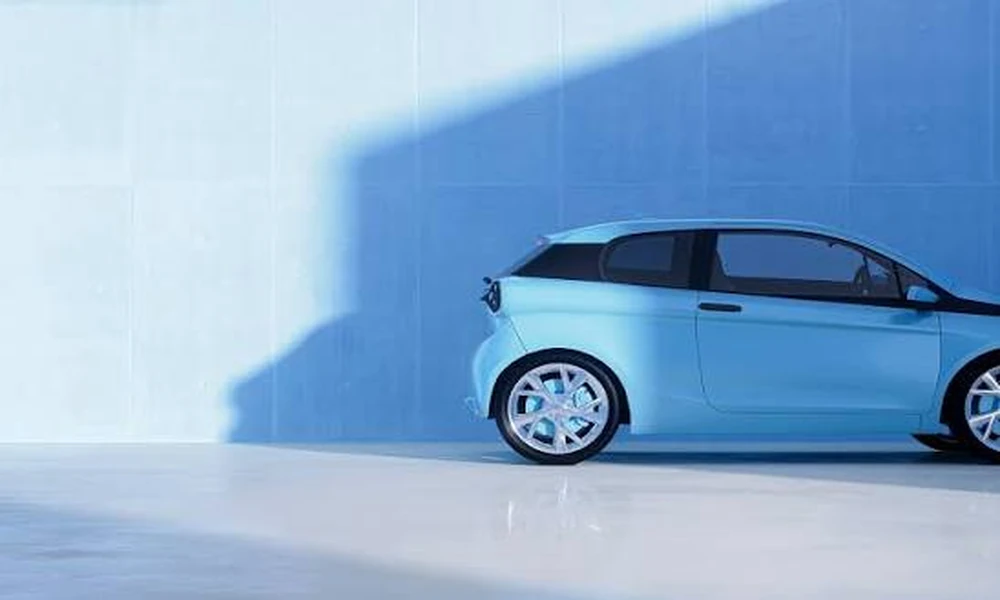
Electric SUVs offer useful space, quiet driving, and lower running costs. For buyers comparing electric cars for sale, pre-owned models can make electric ownership more accessible. The right choice depends on battery health, charging access, vehicle history, and daily mileage. Comparing these factors helps shoppers assess value beyond the advertised price and identify features worth prioritizing.
Pre-Owned Electric SUVs Offer Strong Value
Buying used can reduce the initial cost of electric ownership. Depreciation may bring premium models into reachable price ranges. Lower purchase costs can leave room for home charging equipment. However, battery condition deserves attention before committing to any vehicle. A lower asking price means little if repairs become expensive.
Battery Health Determines Long-Term Value
Before purchasing, an independent battery assessment provides essential evidence. Dashboard estimates alone cannot confirm remaining capacity. Request a diagnostic report and verify warranty coverage. Check these details before negotiating:
- Compare tested capacity against original specifications.
- Confirm remaining battery warranty and transfer terms.
- Review previous repairs and accident records.
- Test charging ports and supplied cables.
These checks can reveal potential expenses before ownership begins.
Which Driving Range Suits Daily Travel?
For short commutes, a modest-range SUV may suffice. Longer journeys demand additional capacity and charging flexibility. Compare daily travel needs against estimated range figures. Buyers exploring used cars in montclair can apply the same principle when assessing local commuting requirements. Allow extra range for cold weather and unexpected detours.
Charging Access Changes Ownership Costs
Home charging can simplify everyday electric driving. Public charging remains important for apartment residents and travelers. Before choosing, check these essentials:
- Confirm home installation feasibility and electrical capacity.
- Locate compatible public chargers along regular routes.
- Compare charging speeds across shortlisted models.
- Calculate electricity expenses against current fuel spending.
Charging access influences convenience as much as battery size.
Which Features Justify Higher Prices?
Extra equipment can make one model worth more. Yet, not every upgrade serves each household. Compare these details before paying a premium:
- Check driver assistance and safety equipment.
- Test cabin space with regular passengers.
- Inspect tyres, brakes, and suspension condition.
- Verify software support and navigation functionality.
A thorough inspection can reveal whether added features justify the difference.
Lower Purchase Prices, Smarter Ownership
The strongest value comes from matching vehicle capability with actual routines. A verified battery report, suitable range, and accessible charging matter more than showroom appearance. An older SUV meeting daily needs can outperform a newer model that stretches the budget. The real saving lies in avoiding unnecessary spending throughout ownership.
FAQs
Is a pre-owned electric SUV worth buying?
Yes, when battery condition, warranty coverage, and purchase price align with driving requirements. An independent inspection helps reduce uncertainty.
Does an older electric SUV lose range?
Battery capacity can decline with age and use. A diagnostic report helps establish the remaining usable capacity.
Can electric SUVs reduce maintenance expenses?
Electric drivetrains require no engine oil changes or spark plug replacements. Tyres, brakes, suspension, and other components still need attention.
Should buyers install home charging equipment?
Home charging can simplify daily use and support overnight charging. Installation requirements depend on electrical capacity and property conditions.